

- Home
- About Us
- Service
- Application
- Technology
- Resource
- Contact Us

Targeted metabolomics
Product Overview
Targeted metabolomics is a focused metabolomics approach that analyzes predefined metabolites associated with specific biological events. It follows untargeted metabolomics to validate differential metabolites through absolute quantification, offering enhanced specificity, sensitivity, and accuracy.
Using triple quadrupole mass spectrometry (QQQ) in MRM mode, it precisely targets and quantifies known compounds via their unique ion pairs, ensuring reliable results for large-scale sample validation. It complements untargeted metabolomics, forming a complete workflow for metabolomic research.
Advantages
 Advanced MS Platforms: Equipped with ultra-sensitive, high-resolution LC-MS/MS and GC-MS/MS systems for precise detection.
Comprehensive Metabolite Coverage: Analyzes diverse metabolites (amino acids, organic acids, fatty acids, nucleotides, hormones, vitamins) and supports customized panels.
Superior Data Quality: Strict QC/QA ensures high-precision, reliable quantitative results.
Specialized Performance: Offers higher specificity, sensitivity, and accuracy compared to untargeted metabolomics.
Professional Service: Prompt response, thorough problem-solving, and customized solutions for unique research needs.
Targeted Product List
| Bile acids (55 types) | Free (medium- and long-chain) fatty acids (37 types) | Fat-soluble vitamins (7 types) |
| Short-chain fatty acids (7 types) | Short- and medium-chain fatty acids (14 types) | Water-soluble vitamins (9 types) |
| Free amino acids (37 types) | Chiral amino acids (L/D: 52 types) | Phenylalanine metabolic pathways (14 types) |
| 51 types of symbiotic metabolites of gut microbiota | Flavonoids (35 types) | Cholinergic compounds (TMAO ) (11 types) |
| Endogenous hormones (20 types) | Perfluorinated compounds (17 out of 43) | Plant hormones (30 types) |
| Tryptophan metabolism (17 types) | Plasticizers (16 types) | Sterols (7 types) |
| Neurotransmitters (21 types) | Plasticizer metabolites (16 types) | Biogenic amines (5 types) |
| Polycyclic aromatic hydrocarbons (16 types) | Bisphenol and phenol compounds (11 types) | Coenzyme Q10 (2 types) |
| α-Ketoglutaric acid and 2-hydroxyglutaric acid (L/D ) | Nicotine and cotinine (2 types) | Methylated nucleosides modifying m6A (19 types) |
| Metallic and nonmetallic elements(30+) | Personalized approach customization |
workflow
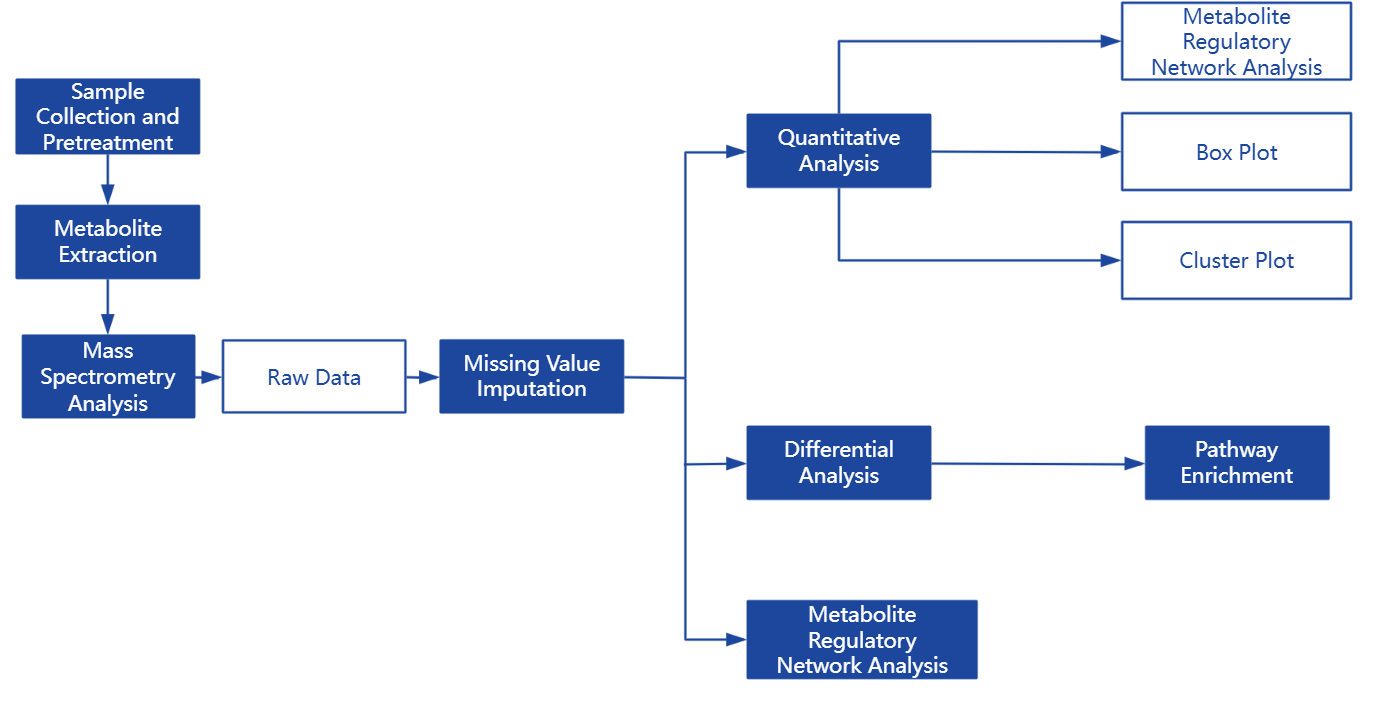
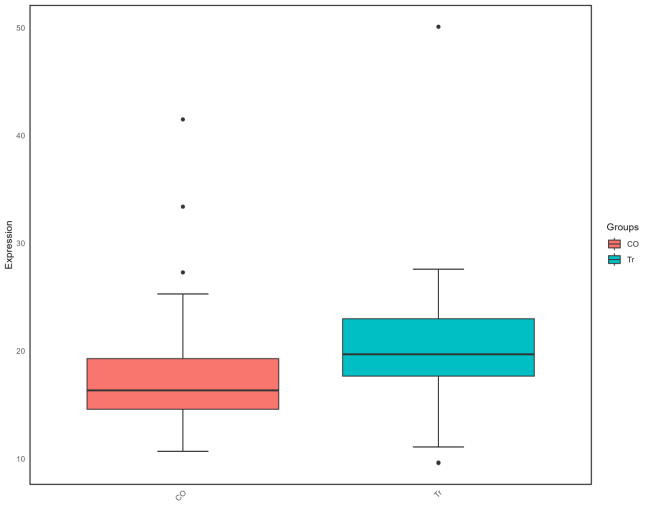
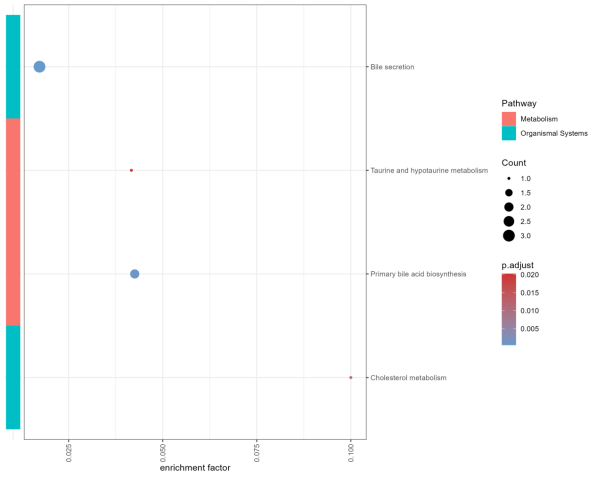
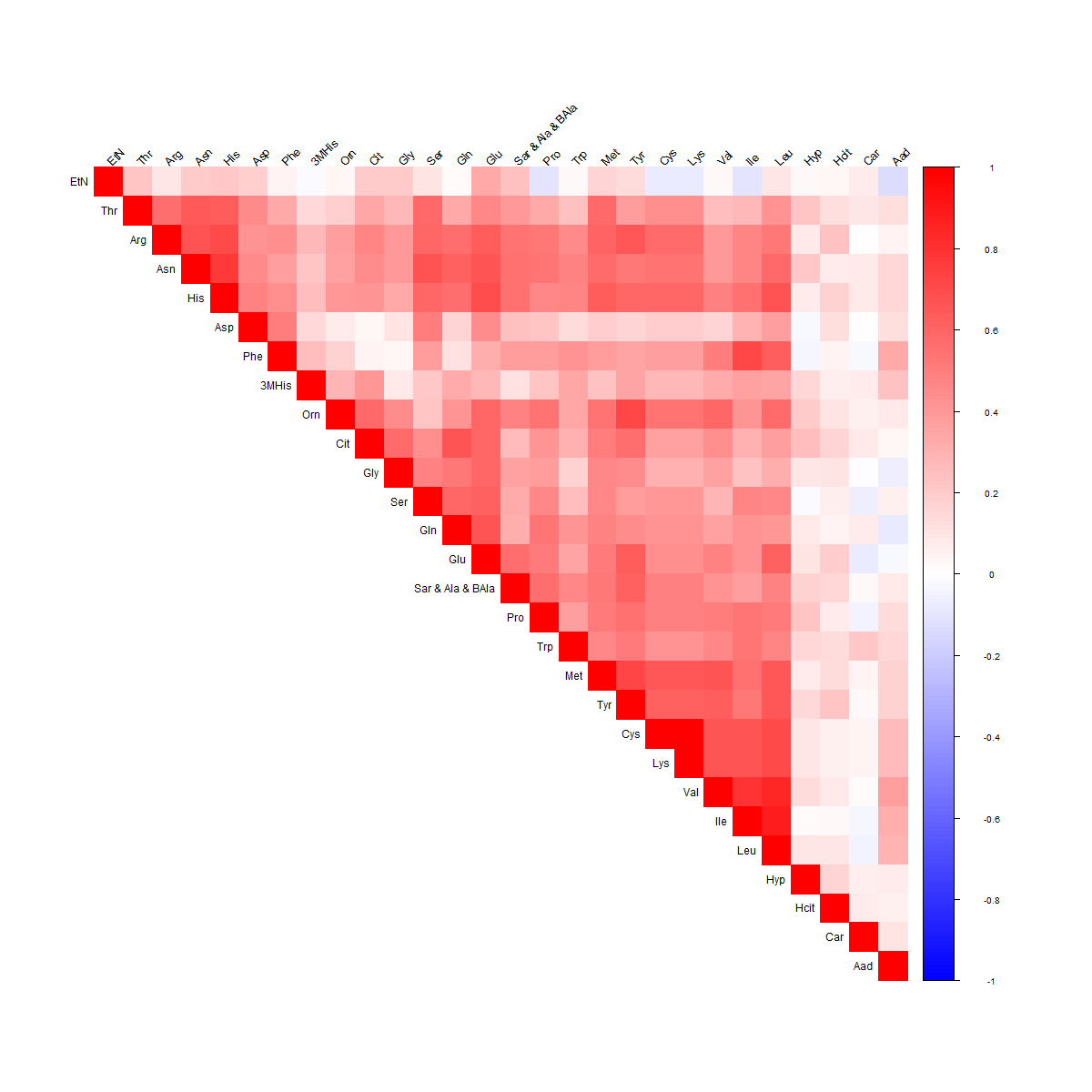
Analysis Contents
Application Scenarios
Biomarker screening and validation
Disease diagnosis, classification, and prognostic
Toxicological and physiological function studies
Drug target discovery and efficacy evaluation
Nutrition and metabolic disease research
Microbiology and Systems Biology
Plant Science and Agricultural Research
Multi-omics joint analysis
FAQ
Q1: What are the requirements for blood samples?
A: Routine tests use plasma/serum; a few need whole blood. Hemolyzed serum/plasma may lower accuracy—this risk should be communicated to you.
Q2: How much urine is needed, and are there special notes?
A: 1mL is required. Due to individual urine dilution differences, creatinine correction might be necessary.
Q3: What’s the minimum tissue sample size?
A: 20mg for routine tests. If your sample is small, inform the lab (as it risks instrument failure) or send duplicates (e.g., bilateral mouse ovaries).
Q4: Any tips for submitting dust samples?
A: Different dust particle sizes impact pollutant types/contents—filter dust before submission (we’ll advise you of this).
Q5: What’s required for exposure samples?
A: Send blank tubes with your samples and ensure containers are thoroughly rinsed.