


Xiao Weihua / Jiang Chao / Chen Shifu - Commentary on Gut Microbiota in Cancer: From Molecular Mechanisms to Precision Medicine Applications
iMeta, 2025
Gut microbiota in cancer: From molecular mechanisms to precision medicine applications
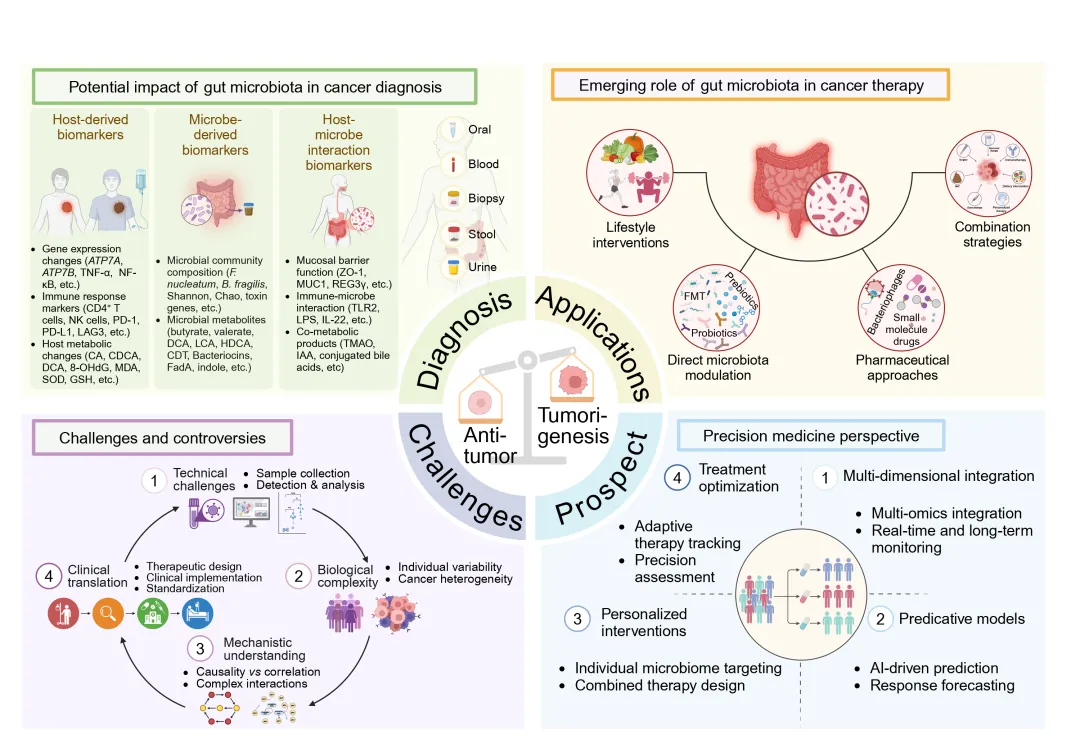
This study systematically reviews current research on the relationship between the gut microbiota and cancer, delving into the molecular mechanisms by which the gut microbiota contributes to cancer initiation and development, evaluating its feasibility as a cancer diagnostic biomarker, and its potential applications in cancer therapy. These findings provide important theoretical foundations and practical guidance for the early diagnosis, precision treatment, and prognostic evaluation of cancer.
Highlights
-
Explores the molecular mechanisms by which the gut microbiota contributes to cancer initiation and development;
-
Evaluates the feasibility of the gut microbiota as a cancer diagnostic biomarker, as well as its potential applications in cancer therapy;
-
These findings provide important theoretical foundations and practical guidance for the early diagnosis, precision treatment, and prognostic evaluation of cancer.
Abstract
The gut microbiota–cancer interaction functions through multi-level biological mechanisms, forming the basis for both diagnostic and therapeutic applications. Current technical and biological challenges drive the field toward precision medicine approaches, aiming to integrate multi-dimensional data for optimized, personalized cancer treatments.
Full-Text Interpretation
Introduction
Cancer remains a major global health challenge. In recent years, the crucial role of gut microbiota in cancer development has gained increasing attention, with remarkable progress bringing new insights for cancer diagnosis and treatment. The gut microbiota participates in human metabolism, nutrient absorption, and various physiological processes while significantly influencing cancer initiation, progression, and therapeutic responses through its interactions with the host immune system. Given these diverse functions, understanding its underlying mechanisms has become essential for advancing cancer research and treatment.
Mechanisms of Gut Microbiota in Cancer Development
The gut microbiota, as the “second genome,” actively influences cancer development through diverse molecular and cellular pathways, making its role increasingly central to oncological research. Numerous factors like drugs, radiation, pathogens, and environmental exposures interact with the microbiota, influencing tumor formation. Research shows that gut microbiota contributes to cancer through molecular signaling, cellular response, immune regulation, metabolic changes, and microenvironment remodeling (Figure 1). This bidirectional interaction between the microbiota and host opens new opportunities for targeted interventions.
Molecular signaling: Integration of bacterial-induced signaling networks in cancer development
Helicobacter pylori cytotoxin-associated gene A (CagA) activates multiple parallel pathways, including phosphatidylinositol 3-kinase (PI3K)/protein kinase B (Akt) promoting cell proliferation and Janus kinase (JAK)/signal transducer and activator of transcription 3 (STAT3) driving angiogenesis and invasion. Fusobacterium nucleatum (F. nucleatum) triggers β-catenin and Wnt signaling through fusobacterium adhesin A (FadA). These pathways converge with glycogen synthase kinase 3 beta (GSK-3β) regulation and interact with broader signaling networks, including Nuclear factor kappa B (NF-κB), which can be activated through multiple routes, such as myeloid differentiation factor 88 (MyD88)-dependent pathways.
Cellular response: Direct microbial modulation of cellular phenotype and genetic stability
F. nucleatum with FadA and butyrate modulate β-catenin and GSK-3β signaling, affecting cell behavior.
Immune modulation: Bacterial activation of innate immune signaling and inflammatory responses
Bacterial components, including lipopolysaccharide (LPS) and peptidoglycans, interact with toll-like receptor 4, activating MyD88-dependent pathways.
Metabolic changes: Microbial metabolite-mediated regulation of cellular fate and function
Deoxycholic acid (DCA) engages cyclic adenosine monophosphate signaling to regulate ROS levels and modify cellular metabolism.
Microenvironment remodeling: Microbial influence on tissue homeostasis and systemic responses
Tryptophan metabolism branches into indole and kynurenine pathways, affecting gastrointestinal homeostasis and immune responses.
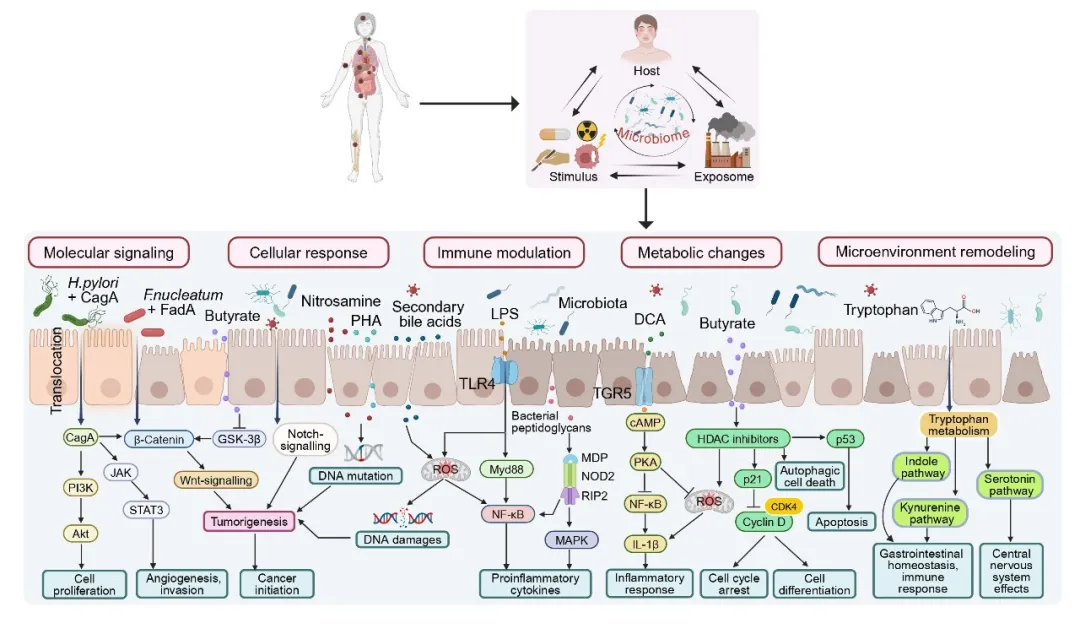
Figure 1. Gut microbes promote cancer progression by five core mechanisms
CA, cholic acid; CDCA, chenodeoxycholic acid; HDCA, hyodeoxycholic acid; MDP, muramyl dipeptide; MUC1, Mucin 1.
Potential Impact of Gut Microbiota in Cancer Diagnosis
Early cancer diagnosis is vital for effective treatment. The gut microbiota has gained recognition as a potential biomarker for cancer. Through intricate host–microbe interactions (Figure 2A), it can influence the tumor microenvironment, making it a promising avenue for early detection and diagnosis.
Host-derived biomarkers: Early indicators of cancer development
Dysbiosis of the gut microbiota can alter gene expression, immune responses, and metabolic patterns, triggering early signals of cancer. For example, abnormal expression of the copper-transporting ATPase ATP7A/B proteins is associated with chemoresistance in colorectal cancer (CRC) (Figure 2A). ATP7A regulates copper homeostasis, and its dysfunction leads to copper imbalance, which in turn induces oxidative stress and cancer progression. Although large-scale studies on these genetic markers are limited, small-scale studies have shown expression differences between cancer patients and healthy individuals. Emerging evidence suggests that detectable indicators related to copper homeostasis mechanisms hold potential as novel diagnostic biomarkers, and their clinical application merits further investigation.
Chronic inflammation characterized by activation of tumor necrosis factor α (TNF-α) and NF-κB promotes the development of various cancers. Alterations in immune response markers—such as reduced CD4+ T cells, impaired NK cell function, and changes in immune checkpoint molecules including programmed cell death protein 1 (PD-1), programmed death-ligand 1 (PD-L1), and lymphocyte-activation gene 3 (LAG3)—are all associated with cancer progression. These markers can serve as non-invasive indicators for early diagnosis (Figure 2A).
Host metabolic alterations also provide valuable information for early cancer detection. Elevated levels of microbial metabolites (such as DCA), as well as oxidative stress markers including 8-hydroxy-2′-deoxyguanosine (8-OHdG) and malondialdehyde (MDA), and antioxidant indicators such as superoxide dismutase and glutathione, are emerging as promising biomarkers for colorectal cancer screening and disease monitoring. These metabolic alterations reflect changes in cellular homeostasis and DNA damage, and can be used for early diagnosis and hold promise as potential therapeutic targets.
Microbial-derived biomarkers: Unveiling pathological mechanisms
Microbial-derived biomarkers include microbe-produced metabolites, proteins, and genes, which provide important information for understanding the pathogenesis and progression of cancer. These molecules reflect both changes in the microbial community and the interactions between specific pathogens and the host, facilitating early detection and disease monitoring.
Specific pathogens such as Fusobacterium nucleatum and Bacteroides fragilis promote colorectal cancer progression through microbe-derived factors (e.g., FadA adhesin activating the β-catenin signaling pathway). In addition, alterations in microbial community composition, such as reduced α-diversity (e.g., Shannon index and Chao index), are associated with gastric cancer. The abundance of specific microbial genes (e.g., those encoding bile acid hydrolase) helps distinguish liver cancer patients from healthy individuals.
Microbial metabolites also play an important role in cancer regulation. For example, butyrate can inhibit tumor formation, but its dysregulation in colorectal cancer leads to silencing of tumor suppressor genes. Secondary bile acids such as deoxycholic acid (DCA) and lithocholic acid (LCA) also affect cancer progression; LCA can activate the farnesoid X receptor (FXR) and promote hepatocellular carcinoma cell invasion. Other microbial metabolites, such as the cytolethal distending toxin (CDT) of Fusobacterium nucleatum, bacteriocins, and indole, exhibit tissue-specific distributions and diagnostic potential, further supporting their value as cancer biomarkers.
Host–microbe interactions: Synergistic effects in the tumor microenvironment
Gut microbiota dysbiosis disrupts the integrity of the mucosal barrier, thereby promoting cancer development through multiple mechanisms. The tight junction protein zonula occludens-1 (ZO-1), a critical component of the mucosal barrier, is downregulated in colorectal cancer and correlates with enhanced metastatic potential. In addition, reduced levels of the antimicrobial protein regenerating islet-derived protein 3γ (REG3γ) promote microbial translocation across the barrier, leading to chronic inflammation that drives cancer progression.
Aberrant immune–microbial interactions play an important role in tumor development. For example, recognition of LPS by Toll-like receptor 2 (TLR2) can trigger immune suppression by expanding myeloid-derived suppressor cells (MDSCs), reducing antitumor immune responses. Furthermore, the cytokine IL-22 has a dual function in balancing epithelial repair and tumor growth, representing a potential therapeutic target in liver cancer.
Co-metabolites, such as trimethylamine N-oxide (TMAO) and indole-3-acetic acid (IAA), influence cancer progression by affecting tumor angiogenesis and immune modulation. Notably, TMAO, a metabolite of choline, can promote angiogenesis in colorectal cancer but may suppress metastasis in breast cancer. In addition, microbiota-regulated bile acid conjugation, particularly conjugated bile acids, affects the behavior of cancer stem cells and reshapes the immune microenvironment, promoting cancer progression and immune evasion.
In summary, the significance of the gut microbiota in cancer extends beyond basic pathology, which suggests that an ecological perspective is needed, emphasizing the synergistic effects between microbiota interventions and existing therapeutic approaches.
Potential Impact of Gut Microbiota in Cancer Therapy
The gut microbiota offers multiple therapeutic strategies in cancer treatment through three main approaches (Figure 2B). First, lifestyle interventions, including a high-fiber diet and moderate exercise, help maintain microbial diversity and enhance treatment efficacy. Second, direct microbiota modulation strategies encompass targeted antimicrobial therapy, probiotics, prebiotics, and fecal microbiota transplantation (FMT). Notably, FMT has emerged as a promising approach for restoring microbiota diversity in patients receiving chemotherapy or immunotherapy, leading to improved therapeutic responses.
The third approach involves pharmaceutical interventions targeting microbiota–host interactions, including engineered oncolytic bacteria, phage therapy, and small-molecule drugs that modulate microbial metabolism. Recent studies demonstrate that these interventions can significantly impact immunotherapy and chemotherapy outcomes, particularly through enhanced immune system activation and reduced treatment resistance. The integration of these three approaches—lifestyle modification, direct microbiota modulation, and pharmaceutical intervention—represents a comprehensive strategy for improving cancer treatment outcomes.
Challenges and Controversies of Gut Microbiota in Cancer Diagnosis and Treatment
Current challenges in microbiota–cancer research span technical, biological, and clinical domains (Figure 2C). At the technical level, the complexity of microbial communities and their diverse metabolic outputs complicate the identification of cancer-specific signatures. Biological challenges include environmental and genetic factors, along with underexplored fungal contributions that affect detection accuracy.
In therapeutic applications, FMT presents specific challenges regarding donor–recipient compatibility and pathogen transmission risk in immunocompromised patients. The uncertain stability of transplanted microbiota and limited long-term follow-up data pose additional obstacles to outcome prediction.
Moving from preclinical to clinical applications faces multiple barriers, including species-specific variations, ethical considerations, and standardization requirements. Future progress depends on large-scale longitudinal studies, advanced functional genomics focusing on the gut–brain–tumor axis, and standardized protocols. Integration of single-cell genomic, single-cell transcriptomic, and spatial transcriptomic technologies will be crucial for developing safer and more effective clinical applications.
Prospects of Gut Microbiota Precision Medicine Research
Recent technological breakthroughs and clinical advances show promise for incorporating gut microbiota markers into early cancer screening and personalized therapies, particularly for CRC (Figure 2D). Current research utilizes high-throughput methods like 16S rRNA sequencing and metagenomics to map microbiota composition, though their resolution limitations affect causal inference. Advanced techniques, including single-cell sequencing and metabolomics, are providing deeper insights into microbial–host interactions and metabolic networks.
The integration of microbiota research with precision medicine is advancing through multiple approaches: Artificial Intelligence (AI)-driven predictive models, real-time microbiome monitoring, and targeted therapeutic interventions. In vitro and in vivo functional studies of probiotics and fecal transplants are helping to elucidate specific microbial mechanisms, enabling more precise treatment strategies.
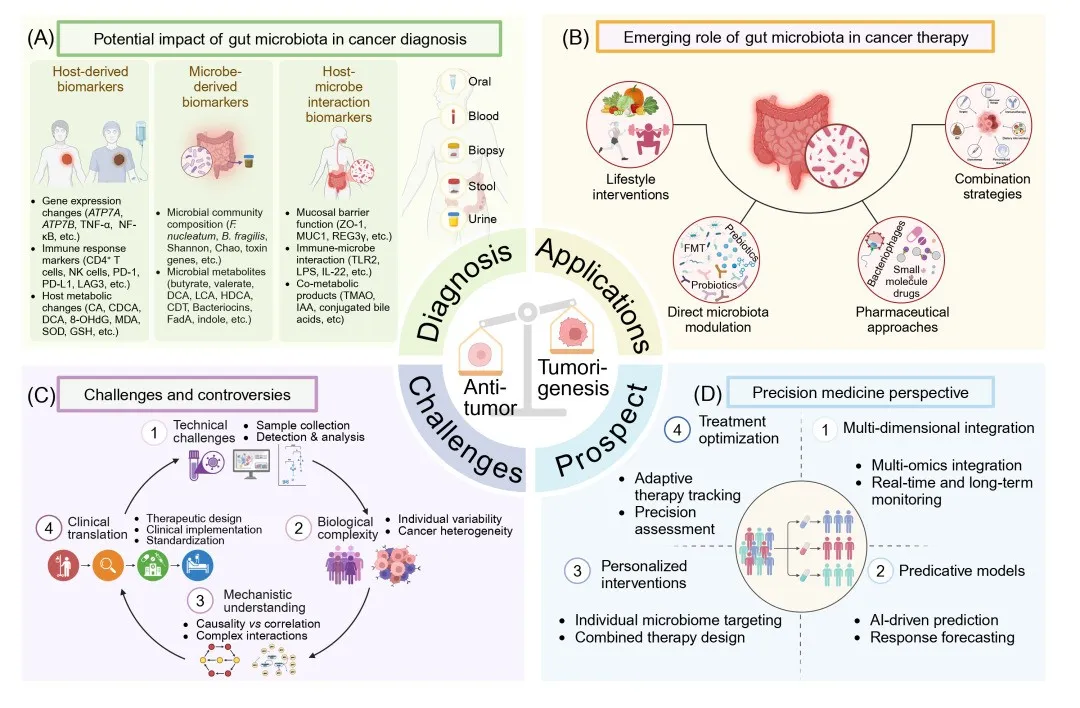
Figure 2. Applications, challenges, and precision medicine approaches of gut microbiota in cancer
(A) Host-derived, microbe-derived, and host–microbe interaction biomarkers for cancer diagnosis. (B) Therapeutic strategies for microbiota modulation in cancer treatment. (C) Current challenges in microbiota-based cancer research. (D) Precision medicine perspective: from multi-omics integration to personalized interventions.
Conclusion
The gut microbiota influences cancer development through multiple molecular and cellular mechanisms, presenting opportunities for both diagnostic and therapeutic applications. While challenges in standardization and biological complexity persist, emerging technologies and integrated approaches are advancing our understanding of microbiota–host interactions. As research progresses, microbiota-based strategies are likely to become valuable components of precision cancer medicine, contributing to improved patient outcomes.
Code and Data Availability
No new data and scripts were used for this commentary. Supplementary information (graphical abstract, slides, videos, Chinese translated version, and update materials) may be found in the online DOI or iMeta Science (http://www.imeta.science/).
Citation format:
Xiao, Weihua, Qiong Chen, Chunjiao Liu, Yueer Yu, Tianliang Liu, Yang Jin, Haifen Ma, Shifu Chen, and Chao Jiang. 2025. “Gut Microbiota in Cancer: From Molecular Mechanisms to Precision Medicine Applications.” iMeta 4: e70017. https://doi.org/10.1002/imt2.70017.